

How to build a daily dog routine when you work full time
A practical daily dog routine usually includes toileting and movement, feeding, mental enrichment, social interaction, rest, and a predictable evening transition. The schedule does not need to look the same for every dog: age, health, temperament, and your veterinarian's advice all matter.
By Tail & Treat Editorial Team · Published Jul 4, 2026 · Updated Aug 2, 2026
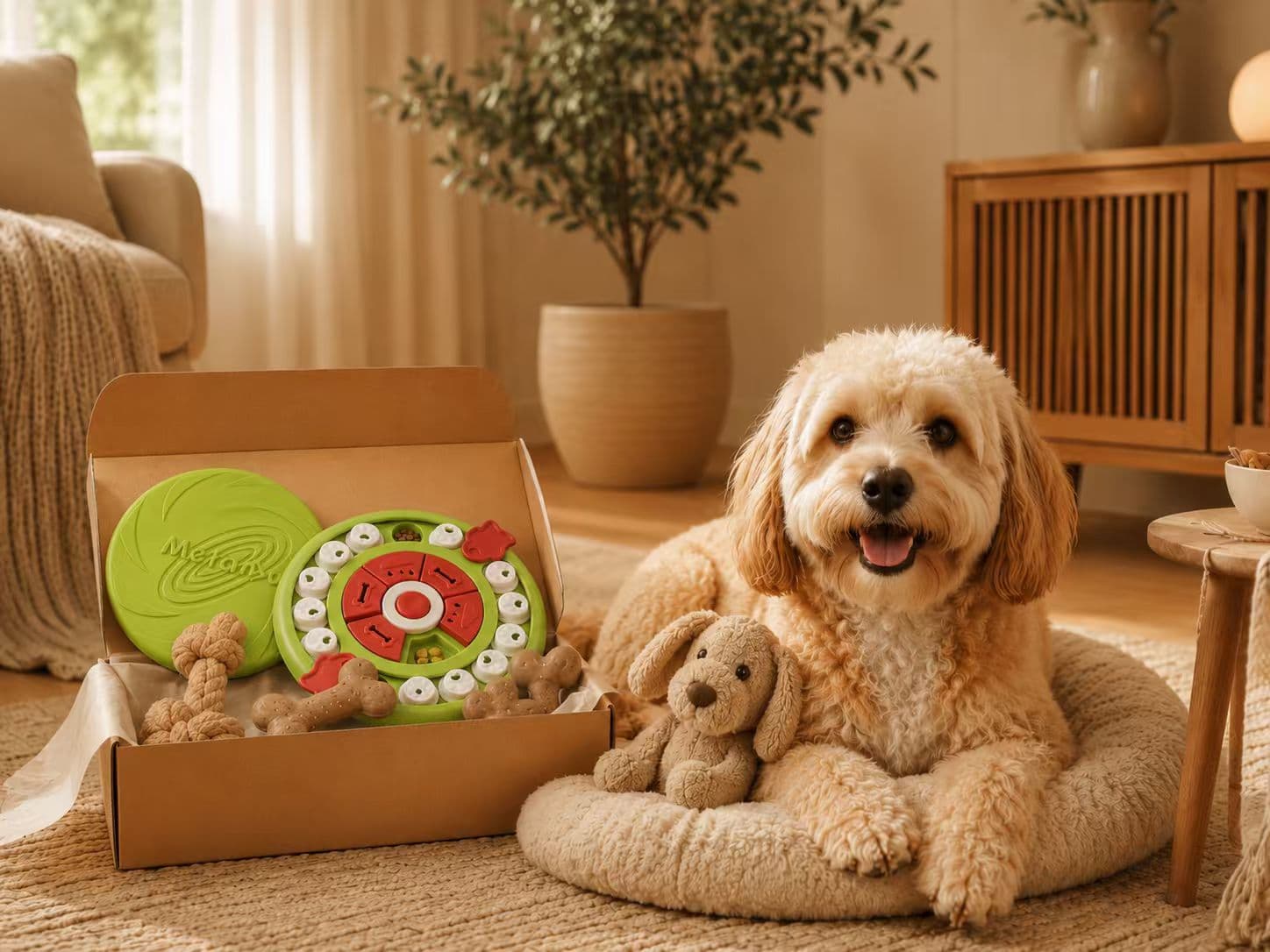
What should a daily dog routine include?
A useful routine gives the day a few repeatable anchors without trying to schedule every minute. Dogs learn to associate repeated environmental cues with things such as meals, walks, departures, and rest. A consistent order can make the day easier to understand, while the details stay flexible enough for real life.
Enrichment is one part of that picture, not a replacement for physical needs, social contact, or medical care. The AAHA's indoor enrichment guidance recommends adapting activities and toy choices to a dog's size, chewing style, age, mobility, and fitness.
A sample weekday routine for busy dog owners
This is an example, not a veterinary prescription. Use it as a starting point and change it around your dog and household.
| Time or moment | Purpose | Possible activity |
|---|---|---|
| Morning | Toileting and movement | Walk, sniffing time, or supervised play suited to your dog. |
| Breakfast | Food and mental engagement | Regular bowl, slow feeder, or an appropriate food toy. |
| Before departure | A predictable transition | A previously tested enrichment activity, if it is safe for your dog. |
| Midday | Toileting and connection | A break with an owner, walker, sitter, or another suitable arrangement. |
| After work | Physical and social activity | Walk, training, play, or relaxed time together. |
| Evening | Lower-intensity activity and rest | Quiet interaction, a suitable chew, or a familiar bedtime sequence. |
Morning: movement, feeding, and preparation
Start with the practical needs first: a toilet break, movement that suits your dog, and breakfast. For some dogs, using part of a normal meal in a slow feeder or an appropriate food toy adds a short mental task. It should fit their eating habits and daily calories, not become an automatic extra meal.
A five-to-ten-minute reward-based training session can also be a focused way to connect before the day gets busy. The Treat Tumbler is one option for a meal or training moment; it is not a substitute for the walk, toilet break, or attention your dog needs.
Before leaving: choose one appropriate transition activity
If your dog safely enjoys it, a food-based enrichment item can become one familiar part of a departure routine. Introduce and supervise a new item while you are home first, choose a size and material that suit your dog, and remove anything that becomes damaged. A lick mat can be a simple option for some dogs when prepared with dog-safe food.
Read how often to use a lick mat for a closer look at portions, supervision, and when food-based enrichment may not be appropriate.
Do not treat an enrichment product as treatment for separation-related distress. Some distressed dogs will not engage with food while alone. If departures bring persistent panting, pacing, vocalizing, escape attempts, injury risk, or house soiling, read our guide to separation-related distress and speak with a veterinarian or qualified behavior professional.
Midday: toileting, movement, or mental engagement
Many full-time workdays need a plan for the middle of the day. Depending on your dog and schedule, that may mean you come home, arrange a walker or sitter, share care with another person, or plan a suitable break in another way. Puppies, seniors, dogs with health conditions, and dogs still learning house training may need more frequent support.
An after-work dog routine: reset, activity, wind-down
A useful after-work dog routine does not need to be complicated. Start with a practical reset, choose one activity your dog actually enjoys, then give them a clear path into rest. Dogs with veterinary restrictions or low mobility may need a different plan.
Try this three-part sequence:
- Reset: offer a toilet break, water, and a few calm minutes together after the day apart.
- Choose one activity: take a walk, practice a short training game, play indoors, or offer a supervised enrichment option such as the Avocado Treat Tumbler or Squeaky Playing Card Toy.
- Wind down: finish with a familiar resting spot, quiet interaction, or a suitable supervised chew.
For ideas on keeping familiar items interesting, see our dog toy-rotation guide. You can also turn this sequence into a schedule with the Daily Dog Routine Planner.
Signs that your dog's routine may need to change
A routine is working when it fits your dog, not when it matches a template. Notice changes in sleep, appetite, engagement, toileting, mobility, or behavior. Barking, chewing, pacing, and restlessness can have several causes, so they are not enough on their own to diagnose boredom or anxiety. Sudden changes, repeated distress, or any risk of injury are reasons to contact your veterinarian.
Frequently asked questions
What should a dog’s daily routine include?
Most routines include chances to toilet, move, eat, use their brain, connect with people, and rest. The right amount and timing vary with the dog’s age, health, temperament, training history, and veterinary advice.
How much enrichment does a dog need each day?
There is no universal number of minutes or toys. Start with a small activity your dog can safely enjoy, observe their response, and adjust rather than trying to fill every moment with stimulation.
Can a routine solve behavior problems?
A predictable routine can support everyday wellbeing, but barking, pacing, chewing, or house soiling can have many causes. Persistent, severe, sudden, or risky behavior deserves advice from a veterinarian or qualified behavior professional.
What should I do with my dog after work?
Start with the practical need that matters most, then choose one activity your dog enjoys, such as a walk, play, training, or calm connection. Finish with a lower-intensity rest cue instead of trying to fill the whole evening with stimulation.
Sources and further reading
Educational information only. This guide does not diagnose or treat medical or behavioral conditions. Speak with a veterinarian or qualified behavior professional about persistent, severe, sudden, or unsafe behavior.